
 By NewsAffair360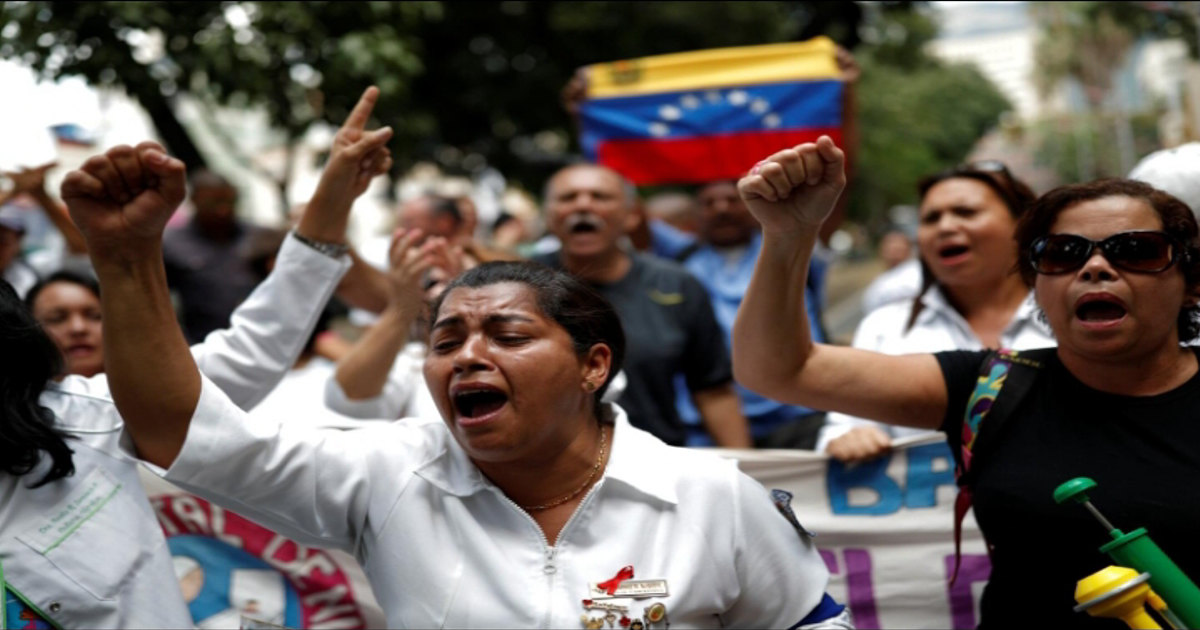
Venezuela, once considered one of the richest nations in South America due to its vast oil reserves, is now facing a deep and prolonged socioeconomic and political crisis. What began as an economic experiment slowly turned into a national collapse, affecting every aspect of daily life — from food and healthcare to employment and personal safety. Today, Venezuela’s crisis is regarded as one of the most severe humanitarian disasters of the 21st century.
Origins of the Crisis
The roots of Venezuela’s troubles can be traced back to the presidency of Hugo Chávez, who came to power in 1999. Chávez introduced a model known as “21st-century socialism,” which aimed to reduce inequality by placing major industries — especially oil, electricity, food distribution, and telecommunications — under state control.
Initially, high global oil prices allowed the government to fund social welfare programs, improve literacy, and expand healthcare access for poorer communities. However, these gains were not supported by long-term economic planning. Private businesses were weakened, foreign investment declined, and Venezuela became dangerously dependent on oil revenues, which made up more than 90 percent of its export earnings.
Economic Collapse Under Nicolás Maduro
After Chávez’s death in 2013, Nicolás Maduro assumed power. Soon after, global oil prices collapsed, sharply reducing Venezuela’s income. Instead of diversifying the economy or implementing reforms, the government relied heavily on printing money to cover budget deficits.
This decision triggered hyperinflation — one of the worst ever recorded in modern history. Prices rose not yearly or monthly, but daily. Salaries became nearly worthless, savings disappeared, and basic goods became unaffordable for ordinary citizens. At one point, people carried bags of cash just to buy a loaf of bread.
Impact on Daily Life
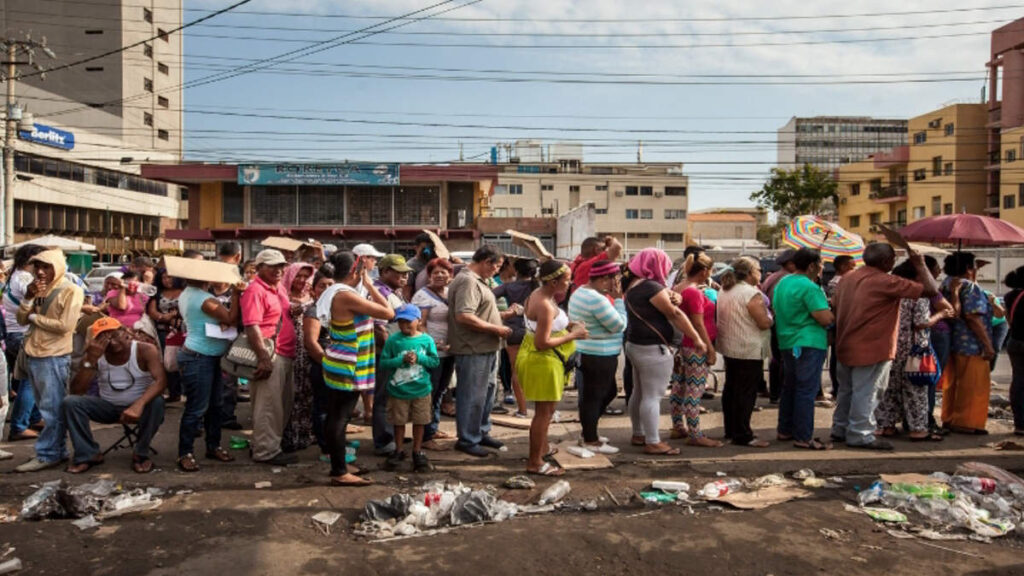
The economic collapse quickly turned into a humanitarian crisis. Supermarket shelves emptied as food production declined and imports became too expensive. Malnutrition spread rapidly, particularly among children and the elderly. Many families were forced to survive on one meal a day or rely on government food boxes, which were often insufficient and irregular.
Healthcare services also deteriorated severely. Hospitals lacked essential medicines, surgical equipment, and even electricity in some regions. Diseases that had once been under control, such as malaria and measles, re-emerged. Doctors and nurses left the country in large numbers due to low pay and unsafe working conditions, further weakening the healthcare system.
Unemployment and underemployment surged as businesses shut down. Crime rates increased sharply, making Venezuela one of the most dangerous countries in the region for several years.
Mass Migration and Regional Effects
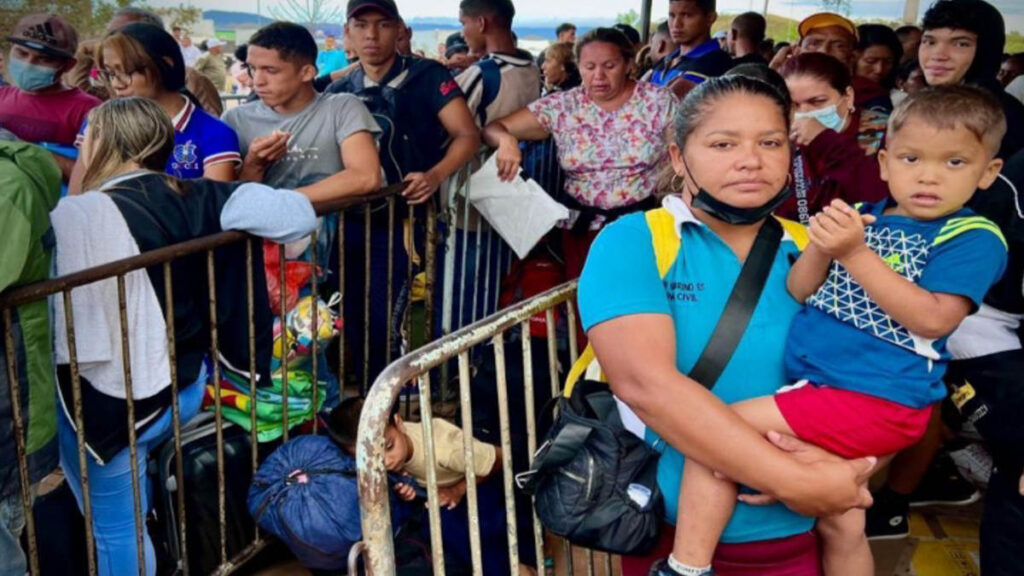
As living conditions worsened, Venezuelans began leaving the country in unprecedented numbers. More than seven million people migrated to neighboring countries such as Colombia, Peru, Brazil, and Chile, as well as to the United States and Europe. This mass exodus became one of the largest migration crises in the world, placing heavy pressure on host nations’ healthcare systems, job markets, and social services.
Families were often separated, with parents leaving children behind in search of income abroad. For many migrants, the journey itself was dangerous, involving long walks, border crossings, and exploitation by criminal networks.
Political Tensions and International Response
The crisis was further complicated by political instability. Maduro’s government faced widespread protests and accusations of election irregularities, human rights abuses, and suppression of opposition voices. Several countries imposed economic sanctions, arguing they were necessary to pressure the government into restoring democratic processes. However, these sanctions also contributed to economic hardship by limiting access to international markets and financial systems.
International organizations and humanitarian agencies have repeatedly warned about the worsening situation, calling for political dialogue, humanitarian aid, and long-term solutions.
Why the Venezuela Crisis Matters Globally
Venezuela holds the world’s largest proven oil reserves, making its instability a global concern. Disruptions in its oil sector affect energy markets and contribute to price volatility. The crisis also raises broader questions about governance, economic management, and the risks of over-reliance on a single natural resource.
For countries like India, Venezuela’s situation is relevant due to past oil trade relations, unpaid business dues, and the indirect impact of global oil price fluctuations on fuel costs and inflation.
A Cautionary Lesson for the World
Venezuela’s collapse serves as a powerful warning. Natural wealth alone cannot guarantee prosperity. Without transparent governance, economic diversification, and accountable institutions, even the richest nations can fall into crisis.
As the country continues to struggle, the international community watches closely, hoping for a peaceful resolution that restores stability and dignity to millions of Venezuelans whose lives have been deeply affected by years of mismanagement and political conflict.
Key Points: Venezuela Crisis
- Venezuela was once one of the richest oil-producing countries in the world.
- The crisis began during the presidency of Hugo Chávez due to heavy government control and oil dependence.
- After 2013, the situation worsened under Nicolás Maduro.
- A fall in global oil prices reduced government income sharply.
- The government printed excessive money, causing hyperinflation.
- Prices rose daily; salaries lost value.
- Severe food and medicine shortages affected millions.
- Healthcare system collapsed; diseases re-emerged.
- Unemployment and crime increased rapidly.
- Over 7 million people migrated to other countries.
- The crisis created a major humanitarian emergency.
- Venezuela’s instability affects global oil markets.
- Countries like India are impacted through fuel prices and trade links.
- The crisis highlights the dangers of poor governance and economic mismanagement.
You can also read this article in Telugu (తెలుగు).
Please stay connected with us for timely and trusted updates. NewsAffair360.