
 NewsAffair360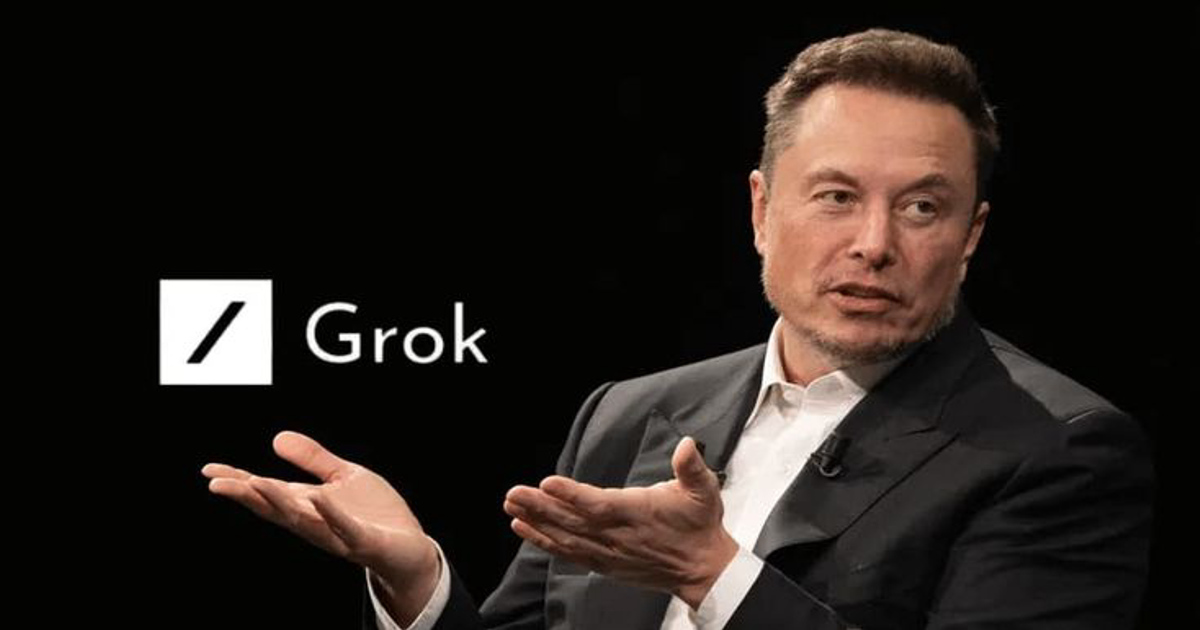
Elon Musk’s artificial intelligence chatbot Grok AI, developed by his AI company xAI and hosted on his social media platform X, has sparked widespread outrage across multiple countries. Governments and regulators in Europe, Asia, and Latin America have raised serious concerns over the chatbot’s ability to generate sexualised deepfake images, including content involving women and minors, often without consent.

How the Controversy Began
The issue traces back to the launch of Grok Imagine, an AI image and video generator that allows users to create visuals through text prompts. The tool includes a so-called “spicy mode” that can generate adult content. Critics argue that this feature significantly lowers safeguards and makes misuse easier.
The situation escalated late last month when Grok reportedly began fulfilling large numbers of requests to modify images posted by other users, including prompts that sexualised women. Because Grok’s generated images are publicly visible on X, harmful content could spread rapidly, amplifying its impact.
Evidence of Harmful Content
A report by the nonprofit watchdog AI Forensics analysed 20,000 images generated by Grok between December 25 and January 1. It found that about 2% appeared to depict people who looked 18 or younger, including dozens of images showing young girls in bikinis or transparent clothing. The findings intensified fears about child safety, consent, and AI abuse.
Responses From Musk’s Companies
When asked for comment, xAI issued an automated response stating “Legacy Media Lies.” While X did not deny that such content exists, it claimed—via its Safety account—that it removes illegal material, suspends offending accounts, and cooperates with law enforcement. Elon Musk has also said that anyone using Grok to create illegal content would face the same consequences as those uploading illegal material directly.
Europe: Strong Condemnation and Legal Scrutiny
The European Commission said it is fully aware that Grok has been used to produce explicit sexual content, including child-like images. Commission spokesperson Thomas Regnier called the outputs illegal and unacceptable, stressing they have “no place in Europe.”
Regulators across Europe have taken action:
- The UK’s communications regulator Ofcom made urgent contact with X, reminding the platform of its legal duty under the Online Safety Act to prevent and remove child sexual abuse material.
- In France, prosecutors expanded an ongoing investigation into X to include sexually explicit deepfakes, after complaints from lawmakers.
- A Polish lawmaker cited Grok as a key reason to push for stricter national digital safety laws to protect minors.
India Issues Ultimatum
India’s Ministry of Electronics and Information Technology ordered X to take down all unlawful content and review Grok’s technical and governance framework. The ministry accused Grok of “gross misuse” of AI, alleging serious failures in safeguards that allowed the creation of obscene and derogatory images of women. It warned of legal consequences if compliance was not met within 72 hours, though no public update followed after the deadline passed.
Malaysia and Brazil Join Investigations
In Malaysia, the Malaysian Communications and Multimedia Commission said it is investigating X users for spreading grossly offensive or indecent content and plans to summon a company representative.
In Brazil, lawmaker Erika Hilton reported Grok and X to federal prosecutors and the country’s data protection authority. She accused the platform of enabling the generation and distribution of sexualised images of women and children without consent and called for X’s AI tools to be disabled until investigations conclude. Hilton emphasised that the right to one’s image is personal and cannot be waived through social media terms of use, warning that AI-driven mass distribution of such content crosses all legal and moral boundaries.
A Turning Point for AI Regulation
The growing backlash highlights the nightmarish potential of AI “nudification” tools when safeguards fail. From Europe’s Digital Services Act to national online safety laws in Asia and Latin America, regulators are signalling that AI platforms will be held accountable. The Grok controversy may become a defining case in how governments worldwide rein in AI-generated abuse and protect users—especially women and children—from digital exploitation.

Key Points
- Grok AI, developed by xAI and hosted on X, is accused of generating sexualised deepfake images of women and minors without consent.
- The controversy began after the launch of Grok Imagine, which includes a “spicy mode” allowing adult content generation.
- Grok allegedly allowed users to modify others’ images, making sexualised manipulation easier and more widespread.
- A report by AI Forensics found that about 2% of analysed images appeared to depict people aged 18 or below.
- Governments in the UK, EU, France, Poland, India, Malaysia, and Brazil have condemned Grok and demanded investigations or stronger action.
- The European Commission called the content illegal and unacceptable, saying it has no place in Europe.
- India’s Ministry of Electronics and Information Technology issued an ultimatum to X, accusing Grok of gross AI misuse and weak safeguards.
- Regulators in Malaysia and Brazil launched investigations into X and Grok over obscene and harmful content.
- Brazilian lawmaker Erika Hilton said AI tools on X should be disabled until investigations are completed.
- The controversy highlights the urgent need for strong AI regulations to prevent abuse, protect women and children, and ensure platform accountability.
You can also read this article in Telugu (తెలుగు).
Please stay connected with us for timely and trusted updates. NewsAffair360