

 NewsAffair360
Becoming overweight is not caused by a single reason. It usually happens due to a combination of lifestyle, environmental, biological, and emotional factors. Understanding these reasons can help people make healthier choices and improve their overall well-being.
Daily Environment and Lifestyle
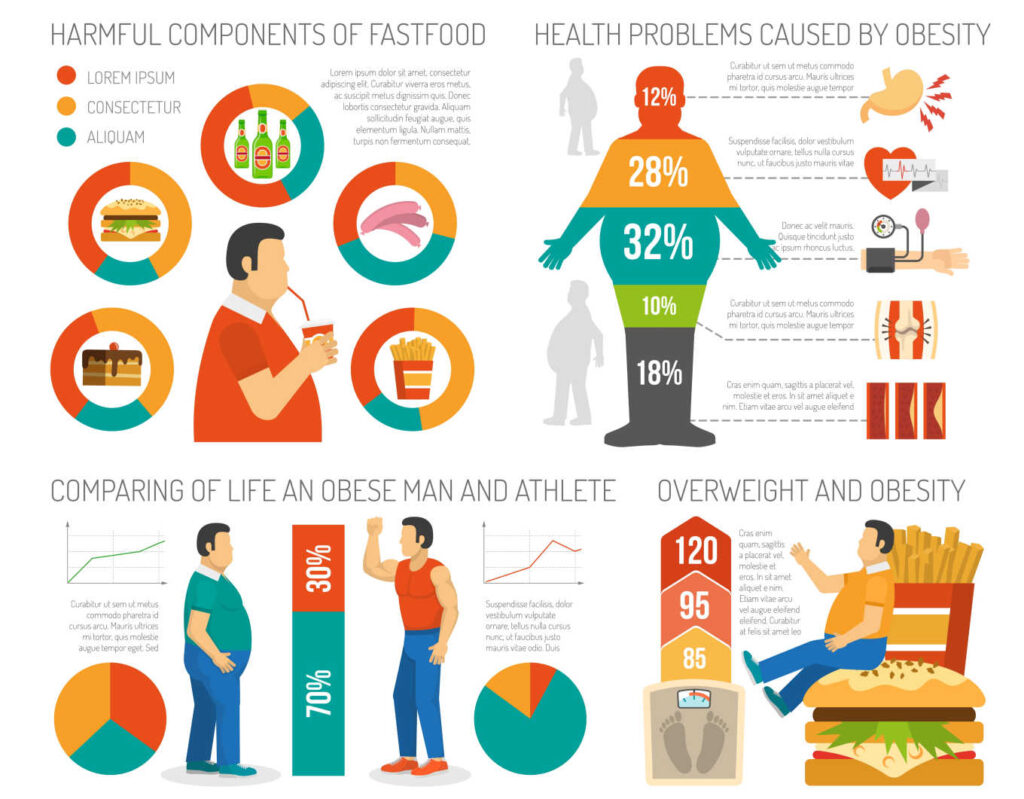
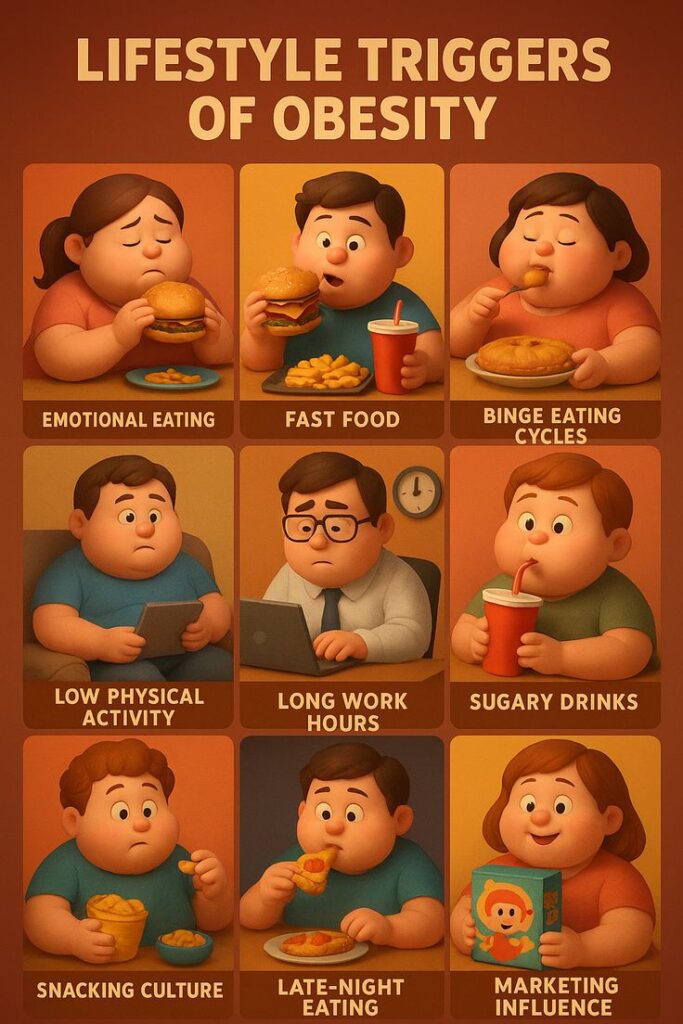
The surroundings we live and work in strongly influence our habits. High-calorie foods that are rich in fat and added sugar are easily available and often cheaper than healthy options like fruits, vegetables, and whole grains. At the same time, modern lifestyles encourage less movement—long hours of sitting, increased screen time, and reliance on smartphones reduce daily physical activity. Together, these factors make weight gain more likely.
Family Influence and Genetics

Weight-related issues often run in families. This is partly because genes can affect how the body stores fat, uses energy, and controls hunger. In addition, family members usually share similar eating patterns, food choices, and meal timings. These shared habits can contribute to weight gain over time.
Effects of Certain Medicines
Some medications can lead to weight gain as a side effect. Drugs such as steroids and certain treatments for depression or long-term illnesses may change appetite, slow metabolism, or cause fluid retention. If weight gain becomes a concern, it is important to consult a doctor or pharmacist about possible alternatives or ways to manage this effect safely.
Emotional Eating

Emotions play a major role in eating behavior. People often eat more when they feel stressed, bored, lonely, or even happy—regardless of actual hunger. This habit, known as emotional eating, can lead to consuming excess calories. Finding healthier ways to manage emotions, such as exercise, hobbies, or relaxation techniques, can reduce unnecessary eating.
Lack of Proper Sleep
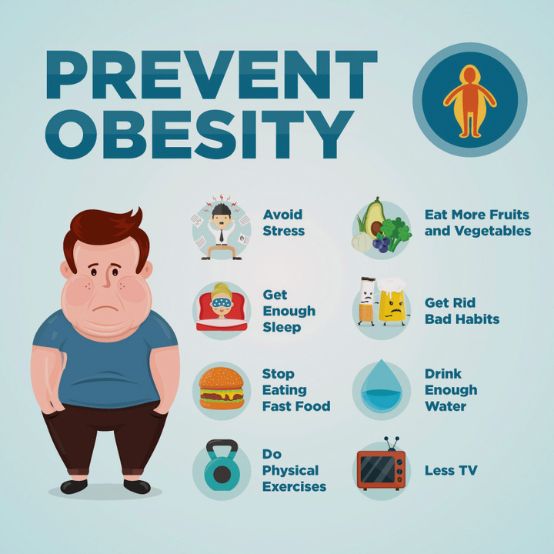
Getting insufficient sleep is closely linked to weight gain. When people don’t sleep enough, they may feel too tired to be physically active. Staying awake longer also increases the chances of eating more. Additionally, lack of sleep disrupts hormones that regulate hunger and fullness, often increasing cravings for high-calorie, sugary foods.
Importance of Healthy Food and Beverages

Making mindful food choices is key to maintaining a healthy weight. Paying attention to portion sizes, choosing nutritious foods, limiting sugary drinks, and maintaining regular meal patterns can help control calorie intake. Small, consistent changes in eating habits can make a big difference in long-term health.

In summary, weight gain is influenced by many interconnected factors, including environment, family habits, emotions, sleep, and lifestyle choices. Understanding these causes helps people take practical steps toward healthier living and better weight management.
You can also read this article in Telugu (తెలుగు).
Please stay connected with us for timely and trusted updates. NewsAffair360.
